hidden
|
Kozintsev G.M. (1905-1973), film director
KOZINTSEV Grigory Mikhailovich (1905 - 1973, Leningrad), director, script writer, teacher, People’s Artist of the USSR (1964). Studied first at the Kiev Painting High School, and from 1920 at the Higher State Art and Technical Workshops
|
|
|
|
|
hidden
|
Kozitsky Factory
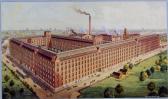
KOZITSKY FACTORY (70, Fifth Line of Vasilievsky Island), a closed joint-stock company (from 1993) is the largest enterprise of the region making and servicing TV sets of the new generation
|
|
|
|
|
hidden
|
Kozlov P.K., (1863-1935), geographer
KOZLOV Peter Kuzmich (1863-1935, Peterhof), geographer, explorer of Central Asia and member of the Academy of Sciences of the Ukrainian Soviet Socialist Republic (1928). Graduated from the Infantry Military School in St. Petersburg in 1887
|
|
|
|
|
hidden
|
Kozlovsky M.I., (1753-1802), sculptor
KOZLOVSKY Mikhail Ivanovich (1753 - 1802, St. Petersburg), sculptor, representative of Classicism. Studied at the Academy of Arts from 1764 until 1773 under N.F. Gillet and A.P. Losenko, and became a member in 1794
|
|
|
|
|
hidden
|
Krachkovsky I.Y., (1883-1951), orientalist
KRACHKOVSKY Ignaty Yulianovich (1883-1951, Leningrad), orientalist, member of the Russian Academy of Sciences (1921) and the Academy of Sciences of the USSR (1925). Graduated from the Faculty of Oriental Languages of the University of St
|
|
|
|
|
hidden
|
Kraevedcheskie Zapiski (Notes of Regional Ethnography), periodical
KRAEVEDCHESKIE ZAPISKI (Notes of Regional Ethnography), a historic and ethnographic almanac published from 1993 until 2003 by the Museum of St. Petersburg History (eight issues). It contained articles and materials on various aspects of St
|
|
|
|
|
hidden
|
Kraevsky А.А. (1810-1889), publisher
KRAEVSKY Andrey Alexandrovich (1810-1889, Pavlovsk, of the St. Petersburg province), publisher, journalist, public figure. He graduated from the Department of Philosophy of Moscow University (1828), and in 1831 settled in St. Petersburg
|
|
|
|
|
hidden
|
Krakau A.I. (1817-1888), architect
KRAKAU Georg Alexander (Alexander Ivanovich) (1817-1888), architect, representative of the Academic School, one of the most influential experts on eclecticism. In 1826-39, he studied at the Academy of Arts
|
|
|
|
|
hidden
|
Kramskoy I.N., (1837-1887), Artist
KRAMSKOY Ivan Nikolaevich (1837-1887, St. Petersburg) was an artist and public figure. He studied at the Academy of Arts (1857-63) under A. T. Markov. He was a member of the Academy from 1869
|
|
|
|
|
hidden
|
Krasheninnikov S.P., (1711-1755), geographer
KRASHENINNIKOV Stepan Petrovich (1713, according to the other data, 1711 - 1755, St. Petersburg), geographer, member of the St. Petersburg Academy of Sciences (1750)
|
|
|
|
|
hidden
|
Krasin Icebreaker Museum
KRASIN, the world's only is floating icebreaker museum, member of the International Historic Naval Ships Association. Constructed in 1916-17 on the drafts of Vice Admiral S.O
|
|
|
|
|
hidden
|
Krasnaya Gazeta (The Red Gazette), newspaper
KRASNAYA GAZETA (The Red Gazette), a daily newspaper, at different periods an organ of the central, provincial, city committees of the All-Union Communist Party (of Bolcheviks) and the Petrograd/Leningrad Soviet
|
|
|
|
|
hidden
|
Krasnaya Strela High-class Service Train
KRASNAYA STRELA high-class service train is the first high-class service train in the Russian railway system, travelling along Oktyabrskaya Railway between Moscow and St. Petersburg (Route #1 from St. Petersburg, and Route #2 from Moscow)
|
|
|
|
|
hidden
|
Krasnaya Zarya, plant
KRASNAYA ZARYA (60 Bolshoy Sampsonievsky Avenue), open joint-stock company, for many years was one of the leading companies in the area of development and production of telephone equipment
|
|
|
|
|
hidden
|
Krasnenkaya, river
KRASNENKAYA, a river in the south-west of St. Petersburg, flowing through Avtovo District and Yugo-Zapad District. The name of the river dates back to 1773, when it was known as Krasnaya Rechka
|
|
|
|
|
hidden
|
Krasnoarmeiskie Streets, First - Thirteenth
KRASNOARMEISKAYA STREETS, FIRST - THIRTEENTH (until 1923, the First - Twelfth Roty, and Zarotnaya Street). First - Seventh Krasnoarmeiskaya Streets are located between Moskovsky Avenue and Izmailovsky Avenue; Eighth Krasnoarmeiskaya Street
|
|
|
|
|
hidden
|
Krasnoe Selo, area
KRASNOE SELO, a town; since 1973, it formed a part of Krasnoselsky District of Leningrad; since 1997 - municipal unit; 26 km to the south-west of St. Petersburg centre, on Narva federal motorway. A railway station on the line St
|
|
|
|
|
hidden
|
Krasnoe Znamya, factory
KRASNOE ZNAMYA (25 Krasnogo Kursanta Street), open joint-stock company, enterprise manufacturing knitted goods. It was founded in 1855 by French merchant I.O. Natus, in 1866 it was bought by German merchant F.V. Kersten, after whose death (1884) E.P
|
|
|
|
|
hidden
|
Krasnogo Kursanta Bridge
KRASNOGO KURSANTA BRIDGE (until 1923 Kadetsky Bridge; on the origin see Krasnogo Kursanta Street), over the Zhdanovka River, links Petrovsky Avenue with Zhdanovskaya Embankment
|
|
|
|
|
hidden
|
Krasnogo Kursanta Street
KRASNOGO KURSANTA STREET (until 1923, Bolshaya Spasskaya Street), located between Bolshoy Avenue of the Petrogradskaya Side and Novoladozhskaya Street. Appeared in the 1720s, in what was then the Nevsky Garrison Regiment settlement (until 1727
|
|
|
|
|
hidden
|
Krasnogvardeysky District
KRASNOGVARDEYSKY DISTRICT is an administrative territorial unit of St. Petersburg. (Its territory administration is located at 52 Sredneokhtinsky Avenue). It was established in 1973. It was named in honour of the Petrograd Red Guards
|
|
|
|
|
hidden
|
Krasnoputilovskaya Street
KRASNOPUTILOVSKAYA STREET, running from Komsomolskaya Square to Pobedy Square, passing through the Avtovo area, the former Vologodskaya-Yamskaya Settlement, the Alexandrovskaya Settlement, and Srednaya Rogatka
|
|
|
|
|
hidden
|
Krasnoselsky Camp
KRASNOSELSKY CAMP, military field camp, where annually from May 1 to August 2-4, the Guards, Military Academic Schools and other units, encamped for field training and manoeuvres
|
|
|
|
|
hidden
|
Krasnoselsky District
KRASNOSELSKY DISTRICT is an administrative territorial unit of St. Petersburg. (Its territory administration is located at 3 Partizana Germana Street) Its present day borders were established in 1973. It was named after the town of Krasnoe Selo
|
|
|
|
|
hidden
|
Krasny Bridge
KRASNY (RED) BRIDGE (until 1808 Bely – white, on account of its colour), over the Moika River, on Gorokhovaya Street. There are records of a wooden bridge in the city plan of 1717. In 1737, there existed a timber bridge with a navigation channel
|
|
|
|
|
hidden
|
Krasny Canal
KRASNY CANAL (Red Canal) was built between the Moika River and the Bolshaya Neva River in 1711 to drain the territory. It passed approximately along the western part of the Field of Mars
|
|
|
|
|
hidden
|
Krasny Kabachok, tavern
KRASNY KABACHOK ("Red Pub"). A tavern located on the 7th Verst of Petergofskaya Road. Named after Krasnenkaya Road, it was located at the building constructed for Tsar Peter I in the early 18th century as a rest-stop on his way to Strelna and
|
|
|
|
|
hidden
|
Krasny Treugolnik, plant
KRASNY TREUGOLNIK (138 Obvodny Canal Embankment), an open joint-stock company, an enterprise making footwear from polymer materials. It was founded in 1860 by Hamburg merchant F
|
|
|
|
|
hidden
|
Krasny Vyborzhets, Plant
KRASNY VYBORZHETS (12 Sverdlovskaya Embankment), open joint-stock company, one of the leading enterprises in the country manufacturing non-ferrous metals. It was founded in 1857 by F. F. Gauch, was later bought by merchant K. F
|
|
|
|
|
hidden
|
Krasnye Zori
KRASNYE ZORI, a locality in the East of Petrodvortsovy District between Strelna and New Peterhof, also a railway platform along the Baltiyskaya Railway Line. The name derives from Krasnye Zori labour settlement school
|
|
|
|
|