|
|
|
The subject index
/
Labourers
hidden
|
Estonians
ESTONIANS, an ethnic community forming a part of the St. Petersburg population. The Estonian language refers to Finno-Ugric branch of the Uralic languages. Believers practice Lutheranism. The first Estonians (retired soldiers) settled in St
|
|
|
|
|
hidden
|
Finns
FINNS, an ethnic community forming a part of the St. Petersburg population. The Finnish language is related to the Finno-Ugrian group of Uralic languages. Their faith is Lutheran
|
|
|
|
|
hidden
|
Latvians
LATVIANS, an ethnic community forming a part of the St. Petersburg population. The Latvian language belongs to the Baltic group of Indo-European language family. Believers are Lutherans and Catholics. The Latvian community in St
|
|
|
|
|
hidden
|
Peasants
PEASANTS, a social group forming a part of the St. Petersburg population. Until 1917, the peasant class was one of the social classes that made its members dependent on their place of inhabitancy and work. In 1869, there were 207,000 peasants in St
|
|
|
|
|
hidden
|
Population (entry)
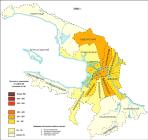
POPULATION of St. Petersburg is the second largest in the Russian Federation after Moscow. From the 18th to the start of the 20th centuries the population continually grew: in 1725 - 40,000 people, in 1750 - 74,000; in 1800 - 220,000; in 1818 - 386
|
|
|
|
|
hidden
|
Ukrainians
Ukrainians, an ethnic community forming a part of the St. Petersburg population. Ukrainian language is related to the Slavonic group of Indo-European languages. Their faith is Orthodox. The formation of the Ukrainian community in St
|
|
|
|
|
|