|
|
|
Rubricator
/
/
Architecture
hidden
|
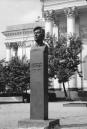
Starov I.E. (1744-1808), architect
STAROV Ivan Egorovich (1745-1808, St. Petersburg), architect, city-planner, one of the founders of Russian Neoclassicism. Resided in St. Petersburg from 1758. Graduated from the Academy of Fine Arts (1762). Apprenticed with architect C
|
|
|
|
|
hidden
|
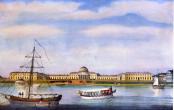
Stasov V.P. (1769-1848), architect
STASOV Vasily Petrovich (1769-1848, St. Petersburg), architect, representative of the Empire style. The father of V.V. Stasov. From 1783, worked in the Moscow Bureau of Architecture of the Police Department
|
|
|
|
|
hidden
|
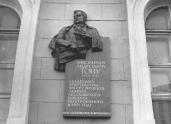
Ton K. A., (1794-1881), architect
TON Konstantin Andreevich (1794 - 1881, St. Petersburg), architect, originator of the Russo-Byzantine style, associate academy member of the Academy of Fine Arts (1830)
|
|
|
|
|
hidden
|
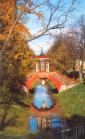
Tsarskoe Selo, palace and park ensemble
TSARSKOE SELO (Pushkin town), a monument of town-planning and a palace and park ensemble dating from the 18th to the beginning of the 20th century. The core of the ensemble is the estate of Empress Catherine I Sarskaya Myza (founded in 1710)
|
|
|
|
|
hidden
|
V.I. Neelov, I.V. Neelov, P.V. Neelov, architects
NEELOV family, a family of architects, representatives of early Neoclassicism and Romanticism. Vasily Ivanovich (1722-82), apprentice of S.I. Chevakinsky and M.G. Zemtsov; from 1744, worked with them and F.B
|
|
|
|
|
hidden
|
Zemtsov M.G. (1688-1743), architect.
ZEMTSOV Mikhail Grigoryevich (1688-1743, St. Petersburg), architect, graphic artist, theorist of architecture, representative of the early Baroque. He studied at the Armoury Printing House School in Moscow. He worked in St
|
|
|
|
|
hidden
|
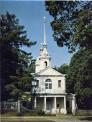
CHURCH OF THE HOLY SIGN in Tsarskoe Selo (2a Sadovaya Street, Pushkin), an architectural monument in the Baroque style of the reign of Anna Ioannovna. It was built according to the plans of architect M. G. Zemtsov with the assistance of I. Y
|
|
|
|
|
|